Supplements for blood sugar support
Blood sugar supplements are products taken alongside food and daily habits by adults who want to support normal glucose balance. They are not medicines and do not replace diabetes care.
- 1All products
- from Ksh6,750Price
Most searched
Key ingredients
- CChromium
A trace mineral involved in how the body uses insulin, and it is commonly added to blends aimed at supporting normal glucose metabolism.
- CCinnamon extract
A traditional spice extract often included to support healthy glucose balance after meals, though study results are mixed and doses differ widely.
- BBitter melon (karela)
A bitter gourd long used in traditional diets for blood sugar support, with human evidence that remains limited and inconsistent.
- GGymnema sylvestre
A climbing plant used in Ayurvedic tradition, sometimes included to support sugar balance and to reduce the taste of sweetness.
- AAlpha-lipoic acid
An antioxidant made in the body, used in some supplements to support normal glucose use and general cell protection.
- ZZinc
An essential mineral that takes part in insulin storage and release, and is added to some formulas to support normal metabolism.
Comparison table
| Product | Form | Key ingredients | Price | |
|---|---|---|---|---|
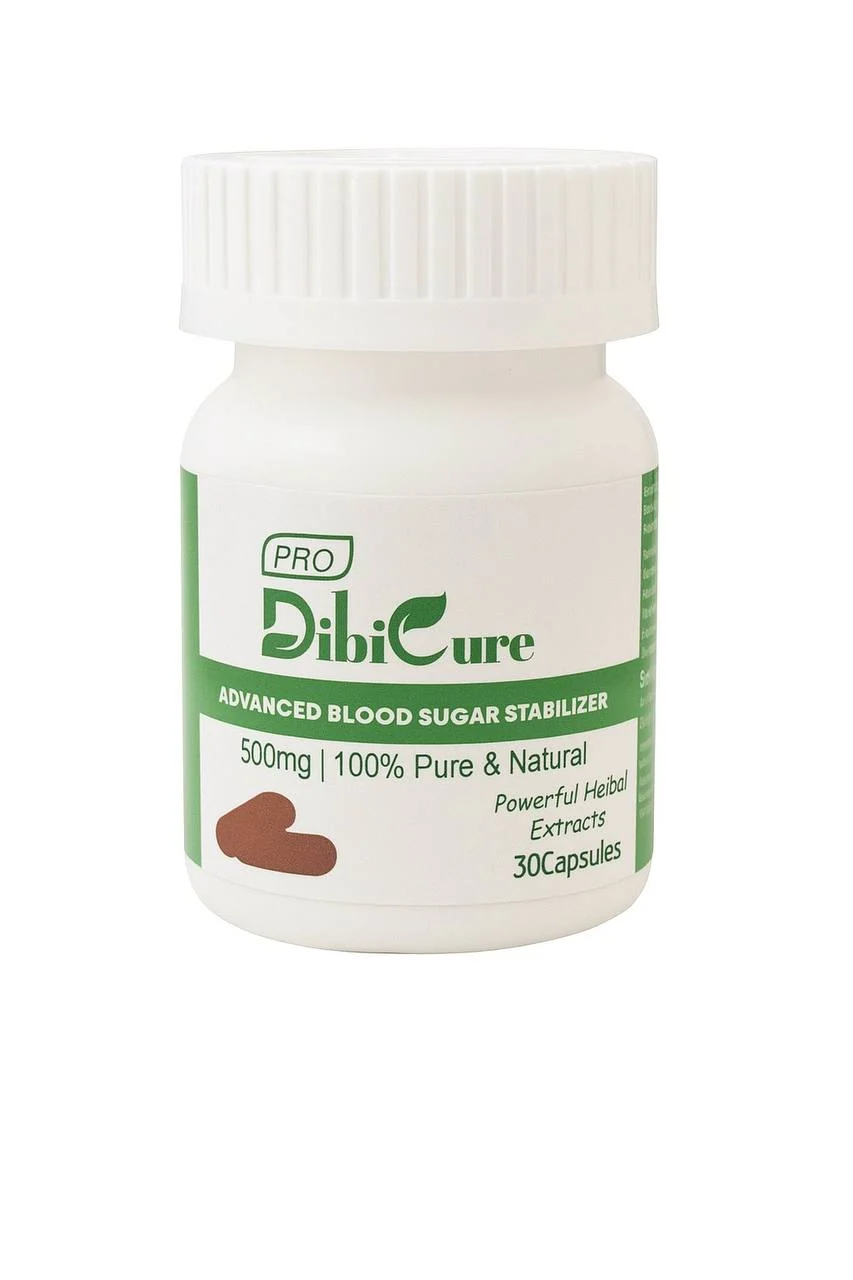 Dibicure | capsules | Bitter Melon Extract, Cinnamon Bark Extract, Fenugreek Seed Extract | Ksh6,750 | Read review |
Guide for buyers
Blood sugar supplements are products taken alongside food and daily habits by adults who want to support normal glucose balance. They are not medicines and do not replace diabetes care. In Kenya they appear mostly as capsules, tablets or herbal powders, often with a mix of plant extracts, minerals and vitamins. Interest has grown as more people learn about their own readings through home meters and clinic checks. This guide explains what the category offers, which ingredients are common, how to judge a label, and where a supplement stops being useful and a doctor visit begins.
- 1Most products are plant-based blends.
The typical formula combines a mineral such as chromium or zinc with herbal extracts like bitter melon, cinnamon or gymnema. Some add fibre or alpha-lipoic acid, an antioxidant made naturally in the body. Capsules are the most common form, usually taken once or twice daily with meals. Manufacturers describe their blends as support for normal metabolism, which is cautious wording worth keeping in mind. The evidence behind individual ingredients varies, and results from small studies do not always carry over to a finished product with different doses.
- 2Expectations should stay modest.
A supplement may support healthy glucose handling, but it works best next to balanced meals, regular movement, enough sleep and a steady weight. Changes, if any, tend to be gradual and differ from person to person. No product can promise a specific reading or timeframe. Courses commonly run for one to three months, which is a practical window to see whether you tolerate it. Keep a simple record of meals, routine and any home readings, so you can judge honestly rather than relying on impressions alone.
- 3Safety matters more than any marketing line.
People using diabetes medicine or insulin should speak to a doctor or pharmacist before adding any supplement, because some herbs can lower glucose further and cause dizziness or sweating. Pregnant or breastfeeding women, people with liver or kidney conditions, and those facing surgery should also ask first. Never stop or reduce prescribed treatment because of a supplement. Mild stomach upset is among the commonly reported side effects of herbal blends. Stop use and seek advice if you feel unwell after starting a new product.
What to check first
- Read the full ingredient list and check that each amount per serving is stated.
- Compare the suggested course length and daily dose with what the label says.
- Look for warnings about diabetes medicine, pregnancy, breastfeeding and liver or kidney conditions.
- Check for batch number, expiry date and intact packaging when the parcel arrives.
- Ask the consultant on the confirmation call about contraindications and the return process.
Buying channels deserve a check. Some products in this category, including Dibicure in Kenya, are sold directly by their distributor rather than through pharmacies or marketplaces, so listings elsewhere may be copies. Through a request form on a guide page like this one, your name and phone number are passed to the distributor, whose consultant calls to confirm the order. Delivery is by courier or post, and payment is usually in cash on delivery. Use that call to ask about ingredients, amounts and contraindications before you accept the parcel.
Know when a supplement is the wrong tool. Persistent thirst, frequent urination, unexplained tiredness, blurred vision, slow-healing wounds or sudden weight change call for testing at a clinic, not self-treatment. The same applies if you already have a diagnosis, a family history of diabetes, or readings that stay high. A doctor can order fasting glucose or HbA1c tests, which show average control over recent weeks. Supplements, if used at all, belong after that assessment and alongside professional guidance, never in place of it.
Common questions
Can blood sugar supplements replace diabetes medicine?
No. Supplements are not medicines and cannot replace prescribed treatment. If you have diabetes, keep taking your medicine as directed and discuss any supplement with your doctor first, since some herbs may add to the glucose-lowering effect.
How long before I notice any effect?
There is no reliable timeframe. Effects, if any, are usually gradual and vary between people. Many courses last one to three months. Judge by home readings or clinic tests rather than by how you feel.
Are herbal blends safer because they are natural?
Not automatically. Plant extracts act on the body and can interact with medicines or cause stomach upset. Natural origin does not guarantee suitability, so check the label and ask a health professional if unsure.
Who should avoid these supplements?
Pregnant and breastfeeding women, children, people on insulin or glucose-lowering tablets, and those with liver or kidney disease should seek medical advice first. The same goes for anyone preparing for surgery.
Why are these products often not sold in pharmacies?
Some are sold directly by their distributor through phone-confirmed orders instead of shops. That is a sales choice, not a quality marker. Copies may appear elsewhere, so order through the route stated for the product.
When should I see a doctor instead?
See a doctor if you have excessive thirst, frequent urination, blurred vision, unexplained fatigue or slow-healing wounds, or if your readings are high. Testing comes first, and supplements should only be considered afterwards.