Supplements for blood sugar support
Supplements for blood sugar are capsules, tablets or drops that combine plant extracts, minerals and vitamins meant to support normal glucose metabolism. They are food supplements, not medicines.
- 5All products
- from ₱1,980Price
Most searched
Guide for buyers
Supplements for blood sugar are capsules, tablets or drops that combine plant extracts, minerals and vitamins meant to support normal glucose metabolism. They are food supplements, not medicines. They do not diagnose, treat or cure diabetes, and no label can promise a particular glucose reading. In the Philippines the category includes names such as Diabetin, Glucocept, Diabextan, Gluconax and Diabex, which this guide mentions only as examples of what is on the market. The aim here is to help readers judge the category: what the products contain, how they are usually presented, and where their limits lie. Most are marketed to adults who already watch their diet and want an extra measure of support.
What to check first
- Confirm every ingredient is listed with an amount per capsule or serving.
- Read the warnings on pregnancy, breastfeeding and use alongside prescribed medicines.
- Check the expiry date and batch number on the package when it arrives.
- Compare course length and total cost, not just the price of one pack.
- Ask the consultant on the confirmation call about contents, dosage and returns.
Key ingredients
- CChromium
A trace mineral involved in carbohydrate metabolism, used in supplements that aim to support normal glucose handling, though evidence of benefit is mixed.
- CCinnamon extract
A traditional spice extract that may support normal glucose metabolism, although studies are small and results differ between products and doses.
- BBitter melon (Momordica charantia)
A plant traditionally eaten and used in Asia for blood sugar support, with limited clinical evidence and possible interaction with medicines.
- BBerberine
A plant alkaloid found in several herbs that is sometimes included for metabolic support, and it should be discussed with a doctor first.
- AAlpha-lipoic acid
An antioxidant made naturally in the body, added to some blends to support general metabolic health, with modest and varied research findings.
- ZZinc
An essential mineral that takes part in insulin storage and general metabolism, included to help meet daily needs rather than to change glucose.
- 1Ingredient lists tend to look alike.
Most blends draw on a short group of familiar substances: chromium, cinnamon, bitter melon, berberine, alpha-lipoic acid and a few vitamins. Chromium is a trace mineral involved in how the body handles carbohydrates. Cinnamon and bitter melon are plant ingredients with a long history in traditional use. Evidence for each is mixed and often based on small studies. Doses differ widely between products, and some labels list only a combined blend without individual amounts. That makes direct comparison harder, so the label itself is the best starting point.
- 2Labels deserve a slow, careful read.
Check that every ingredient is named with an amount per capsule, not hidden inside a proprietary blend. Look at the serving size, the number of servings per pack and the stated course length. Note any warnings about pregnancy, breastfeeding, children and medicines. Look for a batch number, an expiry date and the manufacturer's contact details. If a pack gives only vague promises and no ingredient amounts, the buyer has little to evaluate. Clear information is a modest sign of care, though not proof that a product works.
- 3Expectations should stay realistic.
Research on these ingredients is limited, and results vary from person to person. A supplement may at best offer modest support alongside balanced meals, regular movement, sleep and a healthy weight. It cannot replace prescribed treatment or the monitoring a doctor arranges. Manufacturers often describe benefits in general terms and give no fixed timeframe, which is fair, because none can be guaranteed. Anyone expecting a quick change in glucose numbers is likely to be disappointed. Think of such a product as a small addition to habits, not a solution.
Common questions
Can a supplement replace diabetes medicine?
No. Supplements are not medicines and cannot replace prescribed treatment. Anyone with diabetes should keep taking prescribed medicines and attend regular check-ups. Ask a doctor before adding any supplement, since some ingredients may change how medicines act in the body.
Which ingredients are most common in these products?
Chromium, cinnamon, bitter melon, berberine, alpha-lipoic acid and zinc appear most often. Amounts differ widely between products, and some labels show only a combined blend. Evidence for these ingredients is limited, so the label and a doctor's advice matter more than the name.
How long does it take to notice anything?
Manufacturers rarely give fixed timeframes, and none can be guaranteed. Responses vary with diet, activity, age and health status. Courses are often a few weeks long, but a glucose meter or lab test, interpreted by a doctor, is the only reliable way to track changes.
Are there side effects to watch for?
Some people report stomach upset, loose stools or dizziness with herbal blends. Ingredients such as berberine or bitter melon may add to the effect of glucose-lowering drugs. Stop use and seek medical advice if you feel unwell or notice unusual symptoms.
Who should avoid these supplements?
Pregnant or breastfeeding women, children, and people with liver or kidney disease should seek medical advice first. The same applies to anyone taking medicines for diabetes, blood pressure or cholesterol, or anyone with a known allergy to a listed plant ingredient.
Why are these products not in pharmacies?
Many are sold directly by their distributor, so pharmacies and marketplaces usually do not stock them. Listings elsewhere may be copies. Ordering through the request form on this page leads to a callback from the distributor, with delivery by courier or post and usually cash payment.
Safety needs attention before the first capsule. People who take medicines for diabetes, blood pressure or cholesterol should speak to a doctor or pharmacist first. Some ingredients, berberine and bitter melon among them, may interact with glucose-lowering drugs, so the combined effect could be stronger than expected. Pregnant and breastfeeding women, children and people with liver or kidney conditions should also seek advice. Stop use and consult a professional if dizziness, stomach upset, sweating or any unusual symptom appears. Never stop or reduce prescribed treatment because of a supplement.
Buying and ordering work differently from a pharmacy shop. Many products in this category are sold directly by their distributor, so they are usually not on pharmacy shelves or marketplaces, and listings elsewhere may be copies. On this page, a request form passes your name and phone number to the distributor, whose consultant calls to confirm the order. Delivery is by courier or post, and payment is usually in cash on delivery. This site sells nothing itself. Inspect the parcel on arrival, compare it with the label details above, and keep the receipt.
Comparison table
| Product | Form | Key ingredients | Price | |
|---|---|---|---|---|
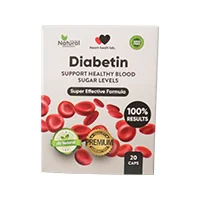 Diabetin | - | - | ₱1,980 | Read review |
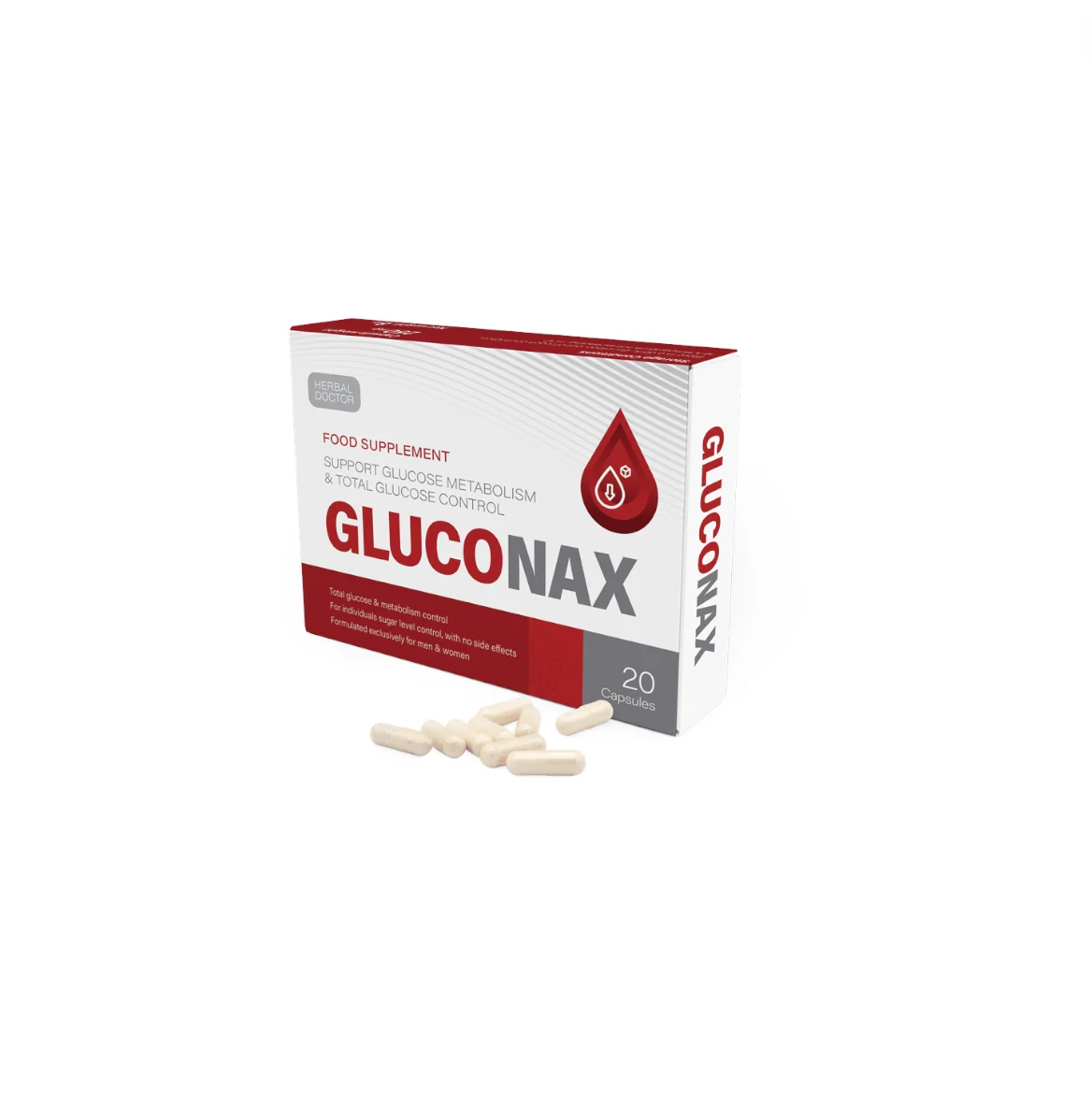 Gluconax | - | - | ₱1,990 | Read review |
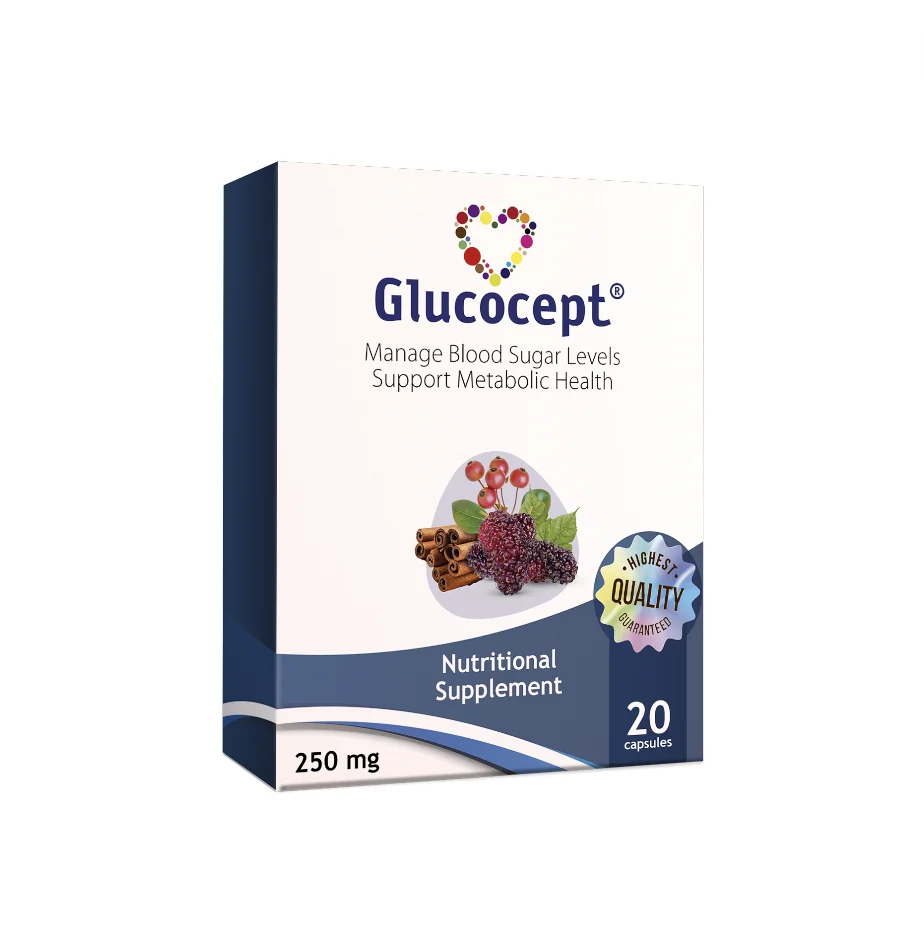 Glucocept | - | - | ₱1,980 | Read review |
 Diabex | - | - | ₱1,980 | Read review |
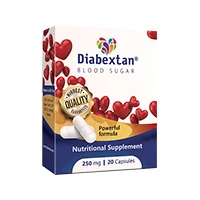 Diabextan | - | - | ₱1,980 | Read review |