Hearing support supplements
Hearing supplements are a small, loosely defined category, and a calm look at what they are helps set sensible expectations. They are capsules, drops or sprays sold as food supplements, not as hearing aids or medicines.
- 1All products
- from ₱1,950Price
Most searched
Key ingredients
- GGinkgo biloba extract
A leaf extract traditionally used to support circulation; evidence for any effect on hearing or ringing in the ears is limited and mixed.
- MMagnesium
A mineral involved in nerve and muscle function, sometimes included in ear formulas because of its general role in nerve health.
- ZZinc
A trace mineral that supports normal immune function and cell processes, often added to formulas aimed at general ear wellbeing.
- BB vitamins (B12 and folate)
Vitamins that support normal nerve function and blood cells; they are included for general nutritional support, not as a proven hearing aid.
- AAlpha-lipoic acid
An antioxidant used in some formulas to support the body's defence against oxidative stress, though human hearing data remain small.
- CCoenzyme Q10
A compound involved in cell energy production, sometimes added for antioxidant support, with limited evidence specific to hearing.
Comparison table
| Product | Form | Key ingredients | Price | |
|---|---|---|---|---|
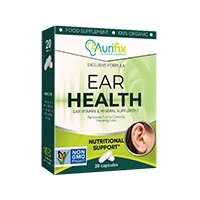 Aurifix | capsules | Maltodextrin, B group vitamins, Complex of 39 herbal extracts | ₱1,950 | Read review |
Guide for buyers
Hearing supplements are a small, loosely defined category, and a calm look at what they are helps set sensible expectations. They are capsules, drops or sprays sold as food supplements, not as hearing aids or medicines. Most combine vitamins, minerals and plant extracts that are linked in general nutrition research to circulation and nerve health. Makers usually describe them as support for the ears, or for comfort in the presence of ringing or muffled sound. None can restore lost hearing, and evidence for the category as a whole is limited and mixed.
- 1Ingredients vary, but a few names recur.
Typical formulas include magnesium, zinc, B vitamins, and plant extracts such as ginkgo biloba. Some add alpha-lipoic acid or coenzyme Q10, which are antioxidants (compounds that limit cell damage from unstable molecules). Studies on these in human hearing are small or inconclusive. A product that lists each ingredient with its amount per serving is easier to judge than one that only gives a blend name without any figures.
- 2Price and course length differ widely.
Products in the Philippines range from low-cost vitamin mixes to premium multi-extract formulas, and a higher price does not prove better quality. Courses are often described in weeks, but the label should state the daily dose clearly. Aurifix is one example sold in the country, mainly through its distributor rather than shops. Compare what each pack contains, how many servings it gives, and what the full course costs, rather than the headline price alone.
- 3Realistic expectations matter more than any claim.
A supplement may support general ear and nerve nutrition, but it cannot repair damaged hair cells in the inner ear, and it will not replace a hearing test. Age-related and noise-related changes are usually permanent. Any manufacturer statements about comfort or clarity should be read as claims, not guarantees. Individual responses vary, and many people notice no change at all, which is a normal outcome for this category.
What to check first
- Look for a full ingredient list with the amount of each ingredient per serving.
- Check the daily dose, number of servings and total course length on the pack.
- Compare the full course price, not only the price of one pack.
- Read the warnings for medicines, pregnancy and allergies, and ask a doctor if unsure.
- Confirm who sells the product and how delivery and payment are arranged before ordering.
Some signs call for a doctor, not a supplement. Sudden hearing loss in one or both ears, ear pain, discharge, dizziness, or ringing that appears on one side only should be checked promptly by an ENT specialist (ear, nose and throat doctor). Earwax blockage and infections are common and treatable causes. A hearing test by an audiologist gives a baseline, and it helps show whether a supplement is even relevant to your situation.
Safety deserves a quick check before starting. Ginkgo may interact with blood thinners, and high-dose zinc or magnesium can upset the stomach or interfere with other medicines. People who are pregnant, breastfeeding, taking regular medication, or living with a chronic condition should ask a doctor or pharmacist first. Check the label for allergens and storage advice, and stop use if unusual symptoms appear. Supplements work best as a small addition to ear protection and regular check-ups.
Common questions
Can a supplement restore lost hearing?
No. Supplements are not medicines and cannot repair damaged inner ear cells. Some ingredients may support general nutrition for nerves and circulation, but evidence is limited. Hearing loss should be assessed by a doctor or audiologist.
Which ingredients are most common in hearing supplements?
Common ones include ginkgo biloba, magnesium, zinc, B vitamins, alpha-lipoic acid and coenzyme Q10. Amounts differ between products, so compare the dose per serving on each label, and note that research on hearing specifically is limited.
How long does a course usually last?
Courses are commonly described in several weeks, but there is no standard length. Follow the label and the manufacturer's instructions. Results are not guaranteed, and many people notice no clear change, so judge value by the full course cost.
When should I see a doctor instead?
See an ENT doctor promptly for sudden hearing loss, ear pain, discharge, dizziness, or ringing on one side only. A supplement should not delay these checks, since some causes, such as infection or wax, are treatable.
Are hearing supplements safe to take with other medicines?
Not always. Ginkgo may interact with blood thinners, and minerals like zinc and magnesium can affect some medicines. Ask a doctor or pharmacist before starting, especially if you are pregnant, breastfeeding or have a chronic condition.
Where are these supplements sold in the Philippines?
Some, such as Aurifix, are sold directly by their distributor, so they are often not found in pharmacies or on marketplaces. Listings elsewhere may be copies. Use the request form on this page, and a consultant will call to confirm the order.