Eye health and vision supplements
Eye and vision supplements are capsules, tablets, drops or sachets that give nutrients associated with the normal function of the eye.
- 3All products
- from ₱1,970Price
Most searched
Guide for buyers
Eye and vision supplements are capsules, tablets, drops or sachets that give nutrients associated with the normal function of the eye. They are not medicines and are not meant to correct eyesight, replace glasses or treat an eye disease. In the Philippines the range is wide, from simple single-nutrient products to blends with several plant extracts. Optifix, Crystal Vision and OcurePlus are among the products reviewed on this site, and each takes a slightly different approach. This guide explains the category in general terms, so you can read any label with more confidence and judge what a product can reasonably offer.
- 01Screen time is the usual reason people look.
Many Filipinos spend long hours on phones, laptops and televisions, and tired, dry or strained eyes are a common complaint. Supplements in this category are generally positioned as general support for eye comfort and for the retina, the light-sensitive layer at the back of the eye. Evidence varies by ingredient and is stronger for some nutrients than others. Habits such as regular breaks, good lighting and enough sleep matter at least as much, and no capsule replaces them.
- 02Typical formulas follow a few patterns.
Most combine carotenoids, which are yellow and orange plant pigments found in the eye, with vitamins and minerals. Some add berry extracts such as bilberry or blackcurrant, and some add herbs used in traditional practice. Doses differ a great deal between products, and some manufacturers do not state exact amounts for every component. Comparing the ingredient list and the amount per serving is the most useful first step, because a long list of names does not tell you how much of each is present.
- 03Expectations should stay modest and realistic.
Supplements may support normal eye function as part of a balanced diet, but they do not restore lost vision or reverse damage. Any change tends to be gradual and personal, and many people notice nothing at all. Courses commonly run for a month or more, which affects the total cost, so check the daily dose and the number of servings in the pack. Be cautious about any claim of fast or guaranteed results, since honest labelling does not promise them.
Key ingredients
- LLutein
A carotenoid found in the macula of the eye, it is commonly included to support normal visual function, though evidence is mixed.
- ZZeaxanthin
Usually paired with lutein, this pigment is also present in the retina and is traditionally used to support eye health.
- BBilberry extract
A dark berry extract used in traditional European practice for eye comfort, with limited and inconsistent evidence in studies.
- VVitamin A (beta-carotene)
This vitamin contributes to the maintenance of normal vision, and high doses should be avoided in pregnancy and discussed with a doctor.
- VVitamin C and vitamin E
These antioxidants are often added to general eye formulas and may support the body's protection of cells against oxidative stress.
- ZZinc
A mineral that contributes to normal vision according to general nutrition guidance, but excessive long-term intake may cause unwanted effects.
Safety deserves a quick check before starting. Some ingredients can interact with blood-thinning medicines, and certain vitamins in high amounts are not suitable during pregnancy. People with diabetes, glaucoma or other known eye conditions should speak with a doctor first, as should anyone taking regular medication. Allergies to specific plants or to additives such as colourings are worth checking on the label. Choose products that list every ingredient clearly, show a batch number and expiry date, and give contact details for the distributor.
Know when a supplement is not the right answer. Sudden loss of vision, flashes of light, many new floaters, eye pain, redness or a shadow across the field of view need urgent medical attention, not a supplement. The same applies to gradual blurring, difficulty seeing at night or frequent headaches with reading. An eye examination by an ophthalmologist or optometrist can find the cause and update a prescription. Adults are often advised to have regular checks, especially with diabetes, high blood pressure or a family history of eye disease.
What to check first
- Read the full ingredient list and the amount of each component per serving.
- Confirm the daily dose and how many days one pack lasts.
- Check the expiry date, batch number and that the seal is intact.
- Look for allergens, colourings and plant extracts you may react to.
- Ask a doctor first if you take medicines or have an eye condition.
Comparison table
| Product | Form | Key ingredients | Price | |
|---|---|---|---|---|
 Optifix | - | - | ₱1,970 | Read review |
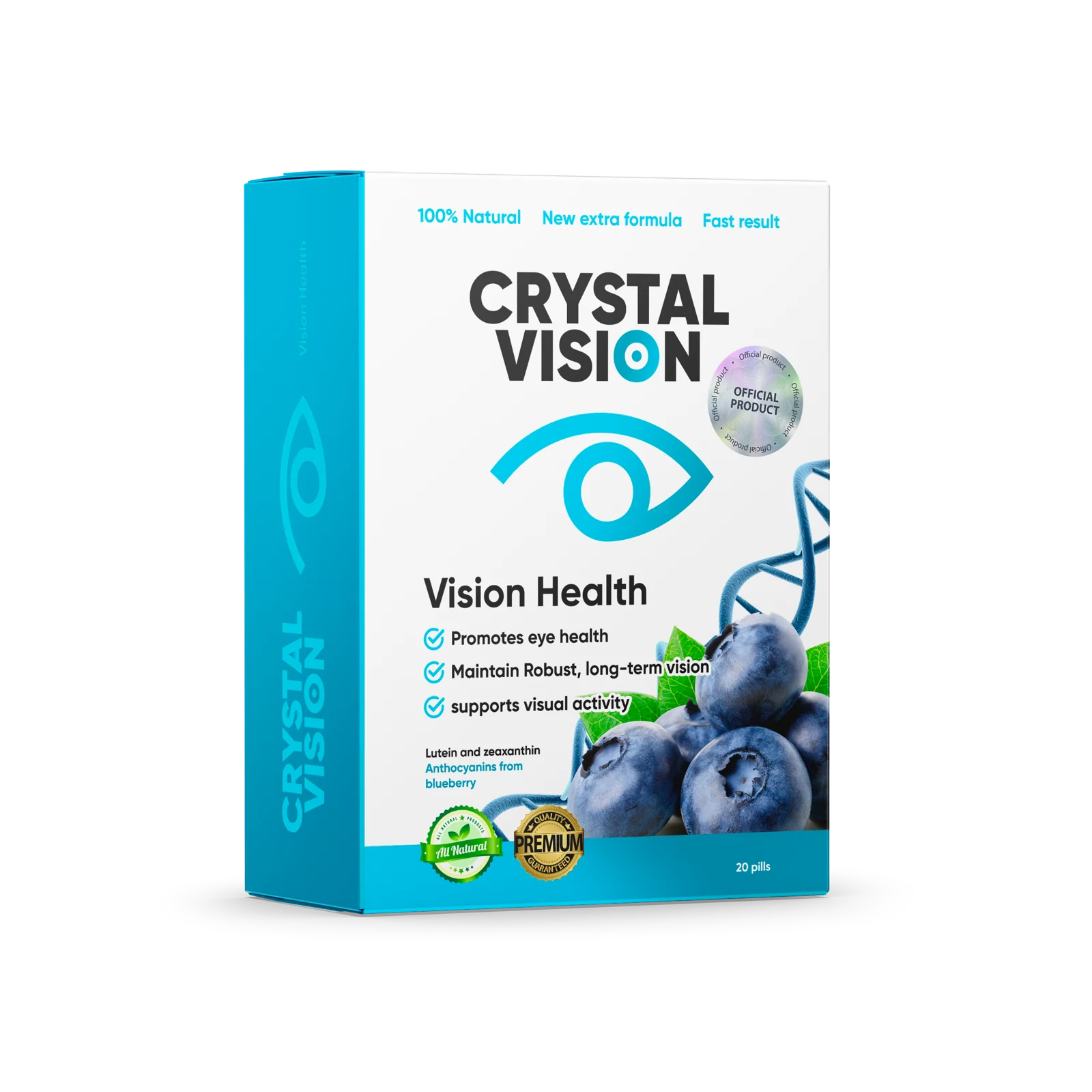 Crystal Vision | - | Lutein and zeaxanthin, Anthocyanins from blueberry, Linseed oil | ₱1,970 | Read review |
 OcurePlus | capsules | Linseed Oil, Zinc, Lutein | ₱1,970 | Read review |
Common questions
Can eye supplements improve eyesight?
They are not intended to change prescription strength or correct vision problems. Some nutrients may support normal eye function as part of a balanced diet, but results vary and are not guaranteed. Glasses, contact lenses or medical care remain the proper approach for refractive problems.
How long should a course last?
Manufacturers often suggest a course of around a month or longer, but the right length depends on the product label. Follow the stated dose and avoid exceeding it. If you notice no difference or feel unwell, stop and consult a healthcare professional.
Are these supplements useful for people who use screens all day?
They may offer general nutritional support, but they do not remove the strain of long screen use. Regular breaks, suitable lighting, blinking often and enough sleep are practical measures. Persistent discomfort is a reason for an eye check rather than more supplements.
Who should avoid them or ask a doctor first?
Pregnant or breastfeeding women, children, people on blood thinners or other regular medication, and those with diabetes or diagnosed eye disease should seek medical advice first. Anyone allergic to listed plants or additives should also avoid the product.
Can I take them with a normal diet?
Yes, they are meant to add to food, not replace it. Leafy greens, orange vegetables, eggs and fish already provide nutrients linked with eye health. Check that the supplement does not duplicate multivitamins you already take, especially vitamin A and zinc.
How do I order these products in the Philippines?
Many are sold directly by the distributor rather than in pharmacies, so listings elsewhere may be copies. On HerbRank you leave your name and phone number in the request form, and the distributor's consultant calls to confirm. Delivery is by courier or post, usually paid in cash.