Supplements to help with weight control
Weight loss supplements are capsules, powders, teas or drinks sold alongside a diet and exercise plan, not in place of one. They are not medicines.
- 1All products
- from ₱1,950Price
Most searched
Key ingredients
- GGreen tea extract
Often included because it contains catechins and some caffeine, and it is traditionally used to support energy use, though evidence for weight effects is limited.
- GGlucomannan
A soluble fibre from konjac root that swells with water and is used by some people to feel fuller between meals.
- GGarcinia cambogia
A fruit extract containing hydroxycitric acid, marketed for appetite support, although studies show mixed and generally small results.
- LL-carnitine
An amino-acid-like compound involved in how the body uses fats for energy, often added to formulas aimed at active people.
- CChromium
A trace mineral that may support normal glucose handling, and some products include it to help with cravings, though evidence is inconsistent.
- MMagnesium
A mineral commonly added to evening formulas because it may support relaxation and normal sleep, which is linked with healthy weight routines.
Comparison table
| Product | Form | Key ingredients | Price | |
|---|---|---|---|---|
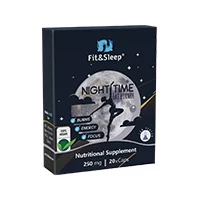 Fit&Sleep | - | Activated charcoal, Coconut milk, L-carnitine | ₱1,950 | Read review |
Guide for buyers
Weight loss supplements are capsules, powders, teas or drinks sold alongside a diet and exercise plan, not in place of one. They are not medicines. Most contain plant extracts, fibre, vitamins or minerals, and manufacturers usually describe them as aids for appetite control, metabolism or evening routines. In the Philippines the range is wide, from basic fibre sachets to multi-ingredient capsules. Fit&Sleep is one product reviewed on this site in the category. Quality and clarity of labelling vary a lot, so reading the label matters more than reading the front of the box.
- 1Typical ingredients are fairly predictable.
Many formulas rely on green tea extract, garcinia, glucomannan fibre, L-carnitine, chromium or caffeine. Some add magnesium, melatonin or herbal relaxants for sleep. Each has a different stated purpose, and evidence for most is modest or mixed. A longer ingredient list does not mean a stronger product. Often it only means smaller amounts of each item. Check whether the maker lists the dose per serving, since a name without an amount tells you little.
- 2Expectations should stay realistic.
Supplements do not burn fat on their own. At most, some ingredients may support appetite control or energy use when combined with a calorie-aware diet, regular movement and enough sleep. Results differ between people, and no manufacturer can guarantee a timeframe. Be wary of any promise of fast or effortless loss. Steady change of around a few hundred grams per week is generally considered a sensible pace in general health guidance.
- 3Safety deserves attention before purchase.
Stimulants such as caffeine can cause jitteriness, a fast heartbeat or poor sleep. Fibre products can cause bloating if taken with too little water. People who are pregnant, breastfeeding, under 18, or living with heart, thyroid, liver or kidney conditions should speak to a doctor first. The same applies to anyone taking regular prescription medicines, because some herbal extracts can interact with them.
What to check first
- Look for a full ingredient list with amounts stated per serving.
- Check the caffeine content if you are sensitive to stimulants.
- Read the warnings for pregnancy, medicines and existing health conditions.
- Confirm the expiry date, sealed packaging and batch details on delivery.
- Compare the total cost of a full course, not just one pack.
Price and course length are worth comparing. Many products are sold as a one-month course, and costs range from modest to quite high for similar ingredient sets. A higher price does not prove higher quality. Compare the dose per day, the number of servings in the pack and the total cost of a full course. Some products, including those sold directly by a distributor, are not stocked in pharmacies, so check where you are buying from to avoid copies.
A doctor or registered dietitian is the better first step in several situations. These include a body mass index in the obese range, unexplained weight change, diabetes, high blood pressure, or a history of disordered eating. Professionals can set a safe target and decide whether a supplement has any place in the plan. Stop any product and seek advice if you notice palpitations, rash, severe stomach upset or dizziness.
Common questions
Do weight loss supplements work on their own?
Not reliably. Some ingredients may support appetite control or energy use, but effects are usually modest. Most guidance treats supplements as an addition to a balanced diet, physical activity and enough sleep, not a replacement for them.
Are these supplements the same as weight loss medicines?
No. Supplements are food products and are not intended to treat obesity or any disease. Prescription weight medicines are assessed differently and are given under medical supervision. A doctor can explain which route suits your situation.
How long should a course last?
Manufacturers often suggest about a month per pack, but there is no universal rule. Follow the label, avoid exceeding the stated dose, and ask a health professional if you plan to use a product for several months.
Who should avoid them?
People who are pregnant, breastfeeding, under 18, or living with heart, thyroid, liver, kidney or blood pressure conditions should ask a doctor first. Anyone taking regular medicines should do the same, since herbal extracts may interact.
What side effects are most common?
Stimulant-based products may cause restlessness, a faster heartbeat or poor sleep. Fibre products can cause bloating or loose stools. Stop use and seek advice if symptoms are strong or do not settle quickly.
How can I avoid copies or poor-quality products?
Buy from a seller that clearly identifies itself, and be cautious with listings on marketplaces for products normally sold directly by a distributor. Check packaging, batch number and expiry date on arrival, and keep your order confirmation.