Supplements for general wellbeing
Everyday wellbeing supplements are products meant to fill small gaps in daily habits, not to replace food, sleep or medical care. The category is broad.
- 1All products
- from ₱1,950Price
Most searched
Key ingredients
- VVitamin C
A water-soluble vitamin commonly included in wellbeing products because it contributes to normal immune function and helps protect cells from oxidative stress.
- VVitamin D
Often added because it supports normal bone, muscle and immune function, though the amount you need depends on sun exposure, diet and a doctor's advice.
- ZZinc
A mineral used in many daily formulas, as it contributes to normal immune function; high long-term doses may interfere with copper absorption.
- TTurmeric (curcumin)
A yellow root extract traditionally used for general wellness, with evidence for specific benefits still limited and absorption of curcumin generally low.
- GGinger
A common kitchen root traditionally used to support digestion and comfort, and sometimes included in blends for general wellbeing.
- HHoney or herbal extracts
Plant-based extracts and honey are traditionally used for throat and breathing comfort, though strength and quality differ between products and evidence is limited.
Comparison table
| Product | Form | Key ingredients | Price | |
|---|---|---|---|---|
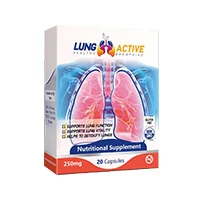 LungActive | capsules | Organic Lungwort (Pulmonaria officinalis), Platycodon, White Mulberry Root Bark | ₱1,950 | Read review |
Guide for buyers
Everyday wellbeing supplements are products meant to fill small gaps in daily habits, not to replace food, sleep or medical care. The category is broad. It covers vitamins, minerals, herbal extracts and blends aimed at general vitality, immune upkeep, breathing comfort or stress balance. In the Philippines, shoppers meet them as capsules, tablets, powders and drinks, in pharmacies, online and through direct distributors. One example reviewed on HerbRank is LungActive. This guide explains the category itself: what these products are, what they usually contain, how to read a label and what to expect. It aims to help you compare calmly, without pressure, before you spend money on anything.
- 1Labels tell you more than slogans.
Start with the ingredient list and the amount per serving, since a product that names an extract but gives no quantity leaves you guessing. Check whether the label separates active ingredients from fillers, whether a serving size is clear and whether an expiry date is printed. Look for the registration details that the Philippine regulator requires on food supplement packaging. A short, readable list is often easier to judge than a long blend of many items in small, unstated doses. Compare the daily dose with what your regular diet already provides.
- 2Ingredients in this category are familiar.
Vitamin C, vitamin D, zinc, turmeric, ginger, honey-based extracts and plant compounds appear again and again. Many are traditionally used, and some have reasonable evidence for narrow purposes, such as correcting a real deficiency. For general wellbeing the evidence is more modest. A product may support normal body functions, but it rarely changes how you feel in a dramatic way. Be cautious with blends that list many herbs, because interactions with medicines and with each other are harder to judge. Ask a pharmacist if you are unsure.
- 3Realistic expectations protect your budget.
Supplements work slowly, if they work noticeably at all, and results differ from person to person. Sleep, meals, movement, hydration and stress habits usually matter more. Treat a supplement as one small part of a routine, and give it a fair, defined trial period rather than open-ended use. Keep a simple note of how you feel. If nothing changes after the course the label suggests, stopping is a sensible choice. Do not expect any supplement to cure, treat or prevent a disease; the manufacturer's claims describe support only.
What to check first
- Read the full ingredient list and confirm each active amount per serving is stated.
- Look for the regulator's registration details printed on the packaging.
- Compare the daily cost across pack sizes, not only the box price.
- Check expiry date, sealed packaging and batch information when the parcel arrives.
- Confirm with a doctor or pharmacist if you take medicines or are pregnant.
Price and course length vary widely. Some products are sold for a single month, others in multi-pack courses, and the cost per day can differ a lot between them. Work out the daily cost, not just the box price. Products sold directly by a distributor are often absent from pharmacies and marketplaces, and listings elsewhere may be copies, so check the seller and the packaging on arrival. Ordering through a request form usually means a consultant calls to confirm details, then a courier delivers, with payment commonly made in cash. Read the terms during that call.
Know when a supplement is the wrong tool. Persistent cough, shortness of breath, chest pain, unexplained fatigue, weight change or symptoms lasting more than a couple of weeks need a doctor, not a capsule. The same applies if you are pregnant, breastfeeding, giving a product to a child, or taking prescription medicines such as blood thinners or diabetes drugs. Bring the product label to your appointment. A clinician can check whether an ingredient clashes with your treatment and whether a supplement is needed at all.
Common questions
Are wellbeing supplements the same as medicine?
No. They are food supplements meant to support normal body functions as part of a balanced routine. They are not intended to cure, treat or prevent any disease, and they do not replace prescribed treatment or medical advice.
How long should I try a supplement?
Follow the course length on the label, which often spans several weeks. Note how you feel at the start and the end. If you see no difference after the suggested period, stopping is reasonable. Effects are not guaranteed.
Can I take several supplements together?
It is possible, but overlapping ingredients can push the total dose too high, especially with vitamins and minerals. Add up the amounts on each label and ask a pharmacist or doctor if you combine more than one product.
What should I check on the label first?
Start with the active ingredients and their amounts per serving, then the serving size, expiry date and registration details. Be careful with long blends that do not state amounts, as they make comparison and safety checks difficult.
Why are some products not sold in pharmacies?
Some manufacturers sell only through their own distributor, so the product is usually absent from pharmacies and marketplaces. Listings elsewhere may be copies, so check the seller, the packaging and the contact details before paying.
When should I see a doctor instead?
See a doctor for symptoms that last or worsen, such as a persistent cough, breathlessness, chest pain or unexplained tiredness. Also check first if you are pregnant, breastfeeding, treating a child or taking regular medicines.