Women's health and bladder support supplements
Supplements for the bladder and women's health form a small, loosely defined category. They are sold as capsules, tablets, powders or drinks, and they aim to support the urinary tract and the intimate balance of the body.
- 2All products
- from ₱1,990Price
Most searched
Guide for buyers
Supplements for the bladder and women's health form a small, loosely defined category. They are sold as capsules, tablets, powders or drinks, and they aim to support the urinary tract and the intimate balance of the body. They are not medicines. A supplement cannot replace a medical diagnosis or prescribed treatment, and labels in this area should be read with that in mind. In the Philippines, Haciba and Haciba Cystitis are two products reviewed under this heading. This guide is about the category as a whole: what it covers, what is typical, and how to judge a product calmly before ordering anything.
- 01Most products offer plant extracts.
Typical formulas combine a berry extract, a sugar-like compound, a herbal diuretic and sometimes a vitamin or mineral. A diuretic is a substance that increases urine flow. Cranberry is the best known example, and it appears in many labels. Formulas are usually simple, with three to six active components. Larger blends can look impressive, but amounts per capsule matter more than the length of the list. Many makers do not state full amounts, which makes comparison harder and is worth noting when you read a label.
- 02Expectations should stay modest.
Supplements here are generally described as support for normal urinary comfort, hydration habits and daily wellbeing. Evidence varies by ingredient and is often limited or mixed, and results differ from person to person. No product can promise relief within a set number of days. Reading what the manufacturer claims, and separating it from what research has actually shown, is the most useful habit. Drinking enough water and general hygiene habits remain the basics that no capsule replaces.
- 03Some symptoms need a doctor, not a supplement.
Burning when passing urine, frequent urgency, blood in the urine, fever, back or flank pain, unusual discharge, or symptoms during pregnancy should be assessed by a professional. Recurring problems also deserve a check, because the cause may need testing. A supplement may sit alongside medical advice, but it should not delay it. People with kidney disease, diabetes, or who take blood thinners should ask a doctor or pharmacist before starting anything new.
Key ingredients
- CCranberry extract
A berry extract traditionally used to support urinary tract comfort; research results are mixed and the amount per dose matters.
- DD-mannose
A simple sugar that is often included in urinary formulas, and evidence for its use in supporting the urinary tract is still limited.
- UUva ursi (bearberry leaf)
A herbal leaf traditionally used for urinary wellbeing, usually only for short periods and not suitable for everyone, such as pregnant women.
- VVitamin C
A common vitamin added to support general wellbeing and normal immune function, not a stand-alone solution for urinary concerns.
- PProbiotic strains (such as Lactobacillus)
Friendly bacteria that may support the balance of intimate flora; effects depend on the strain and the daily amount.
- HHerbal diuretics (such as dandelion or horsetail)
Plants traditionally used to support normal urine flow, which should be taken with enough water and checked with a doctor if on medication.
Price and course length vary across the category. A typical pack covers a month or less, and some makers suggest repeating courses. Compare the cost per day of use, not just the pack price. Check what is actually in the pack: the number of capsules, the daily dose and the expiry date. Be cautious with very broad claims, since a supplement is not expected to address many different conditions at once. A modest, clearly described formula is usually easier to judge.
Buying channels matter too. Some products in this group are sold directly by the distributor rather than through pharmacies, so listings elsewhere may be copies. On this page, a request form passes your name and phone number to the distributor, whose consultant calls to confirm the order. Delivery is by courier or post, and payment is usually in cash on delivery. HerbRank does not sell anything itself. Use the call to ask about ingredients, dosage and contraindications before accepting the parcel.
What to check first
- Read the full ingredient list and look for stated amounts per serving.
- Confirm the daily dose, the number of capsules and the course length.
- Check allergens, and whether pregnancy, breastfeeding or kidney conditions are mentioned.
- Compare the price per day of use, not only the pack price.
- Ask the consultant on the confirmation call about ingredients, expiry date and returns.
Comparison table
| Product | Form | Key ingredients | Price | |
|---|---|---|---|---|
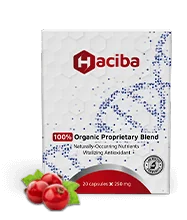
 Haciba | - | Cranberry fruit extract, D-Mannose, Bearberry leaves | ₱1,990 | Read review |
 Haciba Cystitis | - | Cranberry fruit extract, D-Mannose, Bearberry leaves | ₱1,990 | Read review |
Common questions
Are bladder supplements the same as medicines?
No. They are dietary supplements and are not meant to diagnose, treat or prevent any disease. Their claims are usually limited to supporting normal function. If you have symptoms of infection, a doctor can offer testing and, when needed, prescribed treatment.
How long does it take to notice any effect?
There is no reliable timeframe. Responses differ between people, and some notice nothing. Manufacturers often suggest a course of several weeks, but this is a recommendation for use, not a promise. If symptoms persist or worsen, see a doctor.
Which symptoms mean I should see a doctor first?
Burning during urination, blood in the urine, fever, pain in the back or side, unusual discharge, or symptoms in pregnancy need professional assessment. Repeated episodes also deserve a check, because a supplement cannot identify the cause.
Is cranberry the only ingredient that matters?
No. Cranberry is the most familiar, but formulas also use D-mannose, herbal leaves, vitamins and probiotics. What matters most is the stated amount of each ingredient and whether the dose matches what the manufacturer describes on the pack.
Can I take these supplements during pregnancy?
Do not assume so. Some herbal ingredients are not recommended in pregnancy or breastfeeding, and safety data are limited. Ask your doctor or pharmacist before starting any product, and show them the full ingredient list from the label.
Why are these products often not in pharmacies?
Some are sold directly by their distributor, so pharmacies and marketplaces may not carry them. Listings elsewhere could be copies. Ordering through the request form on this page leads to a callback from the distributor, with delivery by courier or post and usual cash payment on delivery.